
Loading
Loading
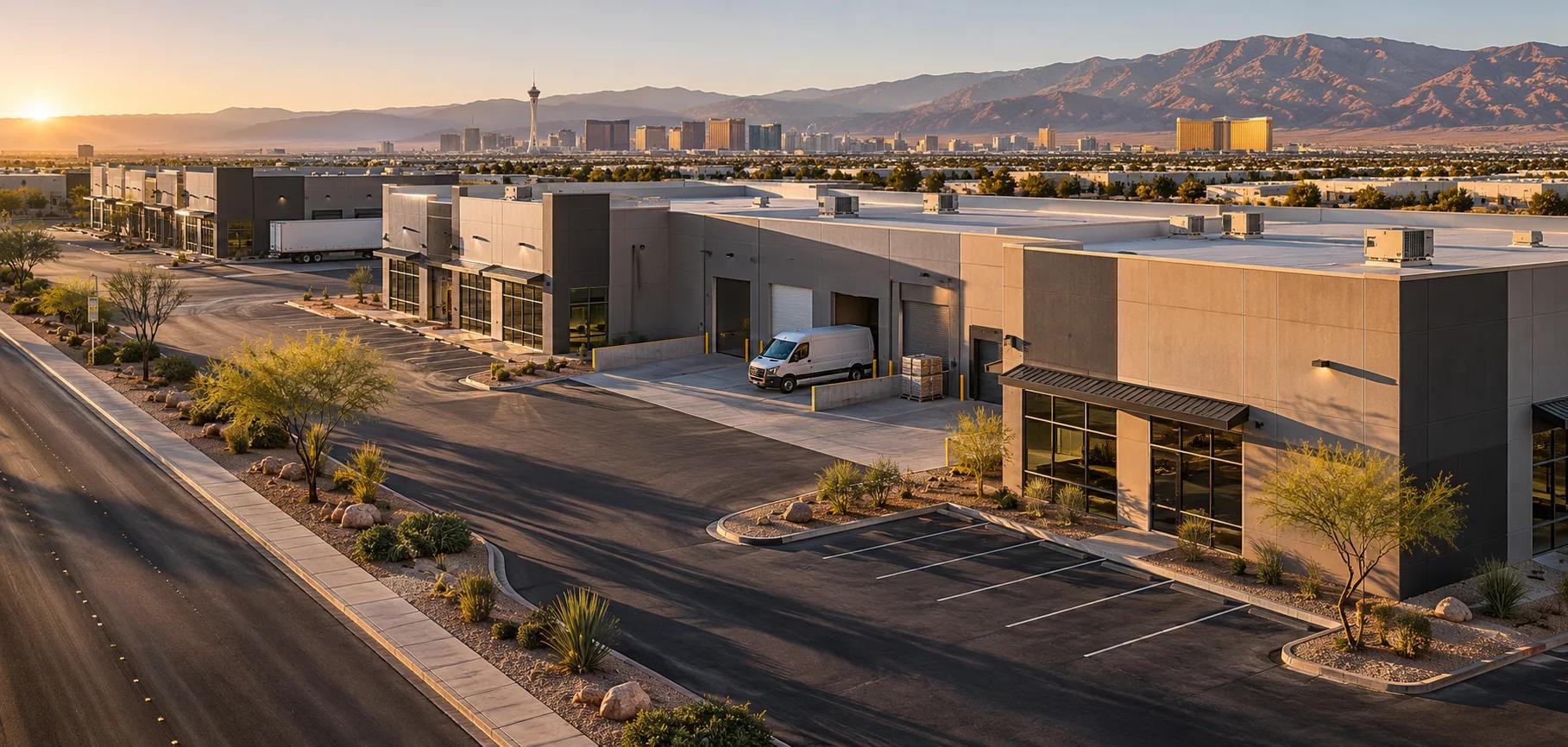
Commercial Acquisitions
An effective commercial acquisition begins long before an offer is submitted. From identifying suitable opportunities to evaluating operating performance, financing, lease obligations, and transaction risk, every decision should be supported by a deliberate strategy.
Commercial & Business
Your Objective
An investor and an owner-user can look at the same building and see two different opportunities. Choose the perspective that fits — the analysis, and your inquiry below, will follow it.
Investment property is bought for the income it produces and the return it can deliver over the hold. The analysis centers on the durability of that income, the price paid for it, and the risks that could interrupt it.
Discuss an investment acquisitionWhat we evaluate with you
Target Yield & Cash Flow
The return you require, and whether the income supports it after debt service.
Tenant Strength & Occupancy
Who pays the rent, how reliably, and how much of the building is producing income.
Income Durability
Remaining lease terms, rollover timing, renewal options, and rent escalations.
Market Fundamentals
Demand, competing supply, and market rents for the submarket and property type.
Cap Rate & Risk Profile
What the price implies about the income — and whether that matches the risk.
Value-Add Potential
Below-market leases, vacancy, or management improvements that could lift income.
Capital Expenditure Exposure
Roofs, systems, parking, and tenant improvements the next owner will fund.
Leverage & Exit Strategy
How the financing behaves over the hold, and who the eventual buyer might be.
The Investment Thesis
Commercial real estate can offer two distinct sources of potential investment return: income generated by the property and changes in the value of the underlying asset over time. Long-term leases with creditworthy, operationally sound tenants may provide greater visibility into scheduled rental income. A disciplined acquisition still requires evaluating tenant quality, lease obligations, capital needs, financing, and the risks that could interrupt cash flow or affect resale value.
Lease-generated revenue, evaluated against operating expenses, occupancy, tenant credit, and the durability of contractual rent.
The possibility that the property's market value rises over time, influenced by location, income growth, asset condition, tenant demand, and capital-market conditions.
An investment property's performance is influenced by both the cash it produces and the price it may command in the future. Understanding both sides of that equation is central to disciplined acquisition strategy.
Unlike exchange-traded securities, commercial property is not repriced continuously in a public market; that difference in visibility should not be mistaken for an absence of market, liquidity, tenant, or financing risk.
Lease Quality
The length of a lease matters, but so does the tenant's ability to perform. Creditworthiness, business fundamentals, rent coverage, guaranties where applicable, lease expirations, renewal options, and potential future vacancy all shape the dependability of a property's income stream.
Asset-Type Expertise
What a buyer should look for — and look out for — changes with the asset. A concise guide to the fundamentals of each major category.
From single-tenant storefronts and neighborhood retail to multi-tenant shopping centers, retail value is shaped by more than square footage. Tenant sales viability, visibility, access, lease structure, rent growth, co-tenancy provisions, and the surrounding trade area all influence how durable the income is.
Understanding the Numbers
Five measures frame most commercial acquisitions. Each answers a different question — and none tells the whole story alone.
The property's effective income — gross potential income less vacancy and credit loss, plus other property income — minus the operating expenses ownership bears. It is measured before debt service, depreciation, capital expenditures, and income taxes.
NOI = Effective Gross Income − Operating Expenses
Preliminary Screening
Enter figures from an offering you are considering to see how they translate into the measures above. Nothing is assumed: each result waits for the inputs it needs.
Your figures
Purchase price under consideration.
Annual scheduled rent and other property income at full occupancy.
Allowance as a % of gross potential income. Enter 0 if none.
Annual expenses borne by ownership — excludes debt service, depreciation, and income taxes.
Total annual principal and interest. Enter 0 for an all-cash purchase.
Down payment plus closing costs and other upfront cash.
Illustrative results
Preliminary educational screening only. Results reflect the figures entered and nothing else — they are not an appraisal, an opinion of value, a lending decision, or investment, tax, or legal advice. Lender definitions of income, expenses, and coverage vary. The hypothetical example uses arbitrary round numbers, not market data.
Income-Based Pricing
For an income-producing commercial property, a buyer can evaluate pricing by working backward from the return required on the property's net operating income. Divide annual NOI by the target capitalization rate to calculate an indicated price supported by that income. It is a useful starting point for acquisition discussions, not a substitute for property-specific diligence, financing analysis, or an assessment of future appreciation and risk.
Indicated Price = Annual NOI ÷ Target Cap Rate
Work back to the price
Annual income after vacancy and operating expenses, before debt service, depreciation, and income taxes.
Your required, unleveraged entry cap rate — not a loan interest rate.
Indicated purchase price
—
Annual NOI ÷ target cap rate
Enter annual NOI and a target cap rate.
Illustrative investment screening only. Excludes financing and other property-specific considerations. The indicated price is the value supported by the NOI and cap rate entered — not an appraisal, a maximum price, or a recommended offer. A cap rate is an unleveraged, income-based measure, not a guaranteed cash yield or the return on your equity, and no market cap rate is implied.
Discuss Your Investment CriteriaThe Acquisition Process
Eight stages, from defining what to buy through the first months of ownership.
Your attorney, lender, CPA, and specialist consultants perform their own professional work at several of these stages; we coordinate the transaction around them.
Defining what you are buying and why: property type, location, size, price range, return or operational requirements, and how the purchase will be financed.
Surveying listed and, where available, unlisted opportunities against your criteria, and narrowing the field to properties worth real analysis.
Reviewing available financials, leases, and recent comparable sales and leases to test whether the pricing makes sense before you commit time and money.
Walking the property with an eye to condition, functionality, access, and the capital work it may soon need.
Negotiating price and the terms that protect you — diligence period, contingencies, deposits, closing timeline, and seller deliverables — then working with your attorney on the purchase agreement.
Verifying what was represented and discovering what wasn't, while your lender underwrites the loan.
Tracking contingency deadlines, lender conditions, title clearance, prorations, and the documents each party must deliver to close.
Tenant notifications, rent collection, service contracts, insurance, and the first capital and leasing decisions of your ownership.
Professional Roles
Due diligence is a team effort. As your broker, we coordinate the process, track deadlines, and help you interpret findings in the context of the deal. Legal, accounting, engineering, environmental, survey, appraisal, and title work is performed by the licensed professionals you engage for it.
Capital Structure
How an acquisition is financed affects the price you can pay, the return you earn, and the risk you carry. The options differ for investment property and for property you will occupy.
Investment property
Bank, credit union, life company, and other commercial lenders, sized on the property's income, coverage ratio, and loan-to-value.
Your own capital or that of partners — and the return expectations and control terms that come with it.
More debt can increase returns and risk alike; lenders limit it through coverage and loan-to-value requirements.
When a seller is willing to carry part of the price, it can bridge a gap — on negotiated, documented terms.
Owner-occupied property
SBA 7(a) and 504 loans can finance owner-occupied commercial property for eligible businesses, subject to SBA and lender eligibility rules — including owner-occupancy requirements. They are not designed for passive investment purchases.
Lenders also underwrite the operating business's financial strength, not only the property.
Capital invested in the building is capital not available to the business — part of the own-versus-lease decision.
Either way
Commercial loans often mature before they are fully repaid. Refinancing depends on future rates, values, and income.
Either way
Lender fees, third-party reports, title and escrow, and required reserves add to the cash a purchase requires.
Financing is subject to lender underwriting and program eligibility. Nothing here is an offer, commitment, or assurance of any loan, rate, or program. We can introduce lenders; we do not provide lending, legal, or tax advice.
Buyer Representation
Our value is preparation and judgment: a clear brief, disciplined screening, and steady management of a complicated process on your side of the table.
A written acquisition brief that keeps the search, and every decision after it, anchored to your objectives.
Opportunities measured against that brief, so time goes only to properties that merit real analysis.
Offerings read critically — income, expenses, leases, condition, and comparables — before you commit.
Price, and the contingencies, deadlines, deposits, and deliverables that protect you.
Deadlines tracked and findings brought together from your attorney, lender, inspectors, and consultants.
Escrow, title, and lender conditions followed through to closing, and the handoff into ownership.
Acquisition Inquiry
Share your criteria and we'll follow up to refine them with you. Your selection above — investor or owner-user — carries into this form.
We don't display a commercial listing search on this site; opportunities are identified against your criteria in consultation with you.