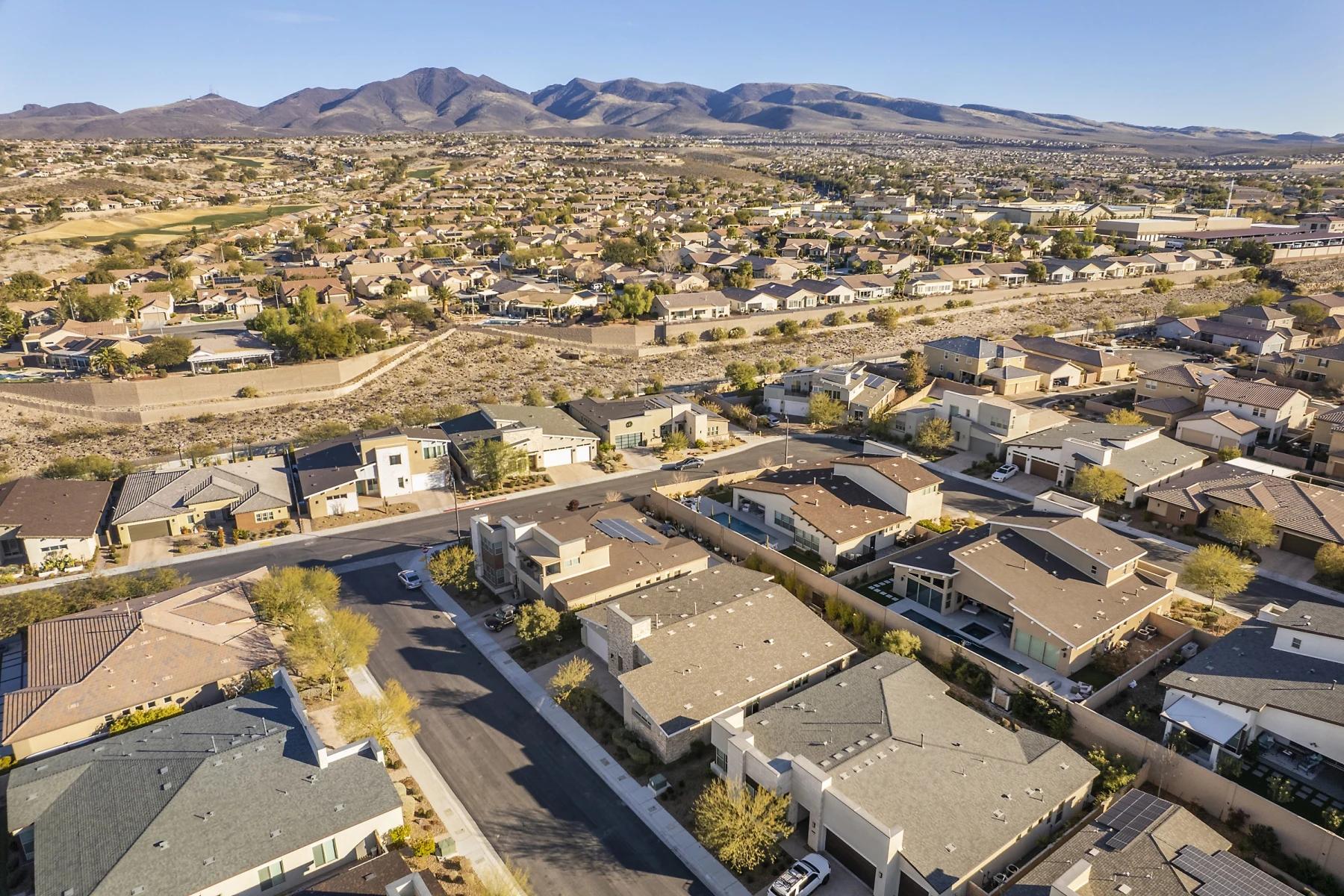
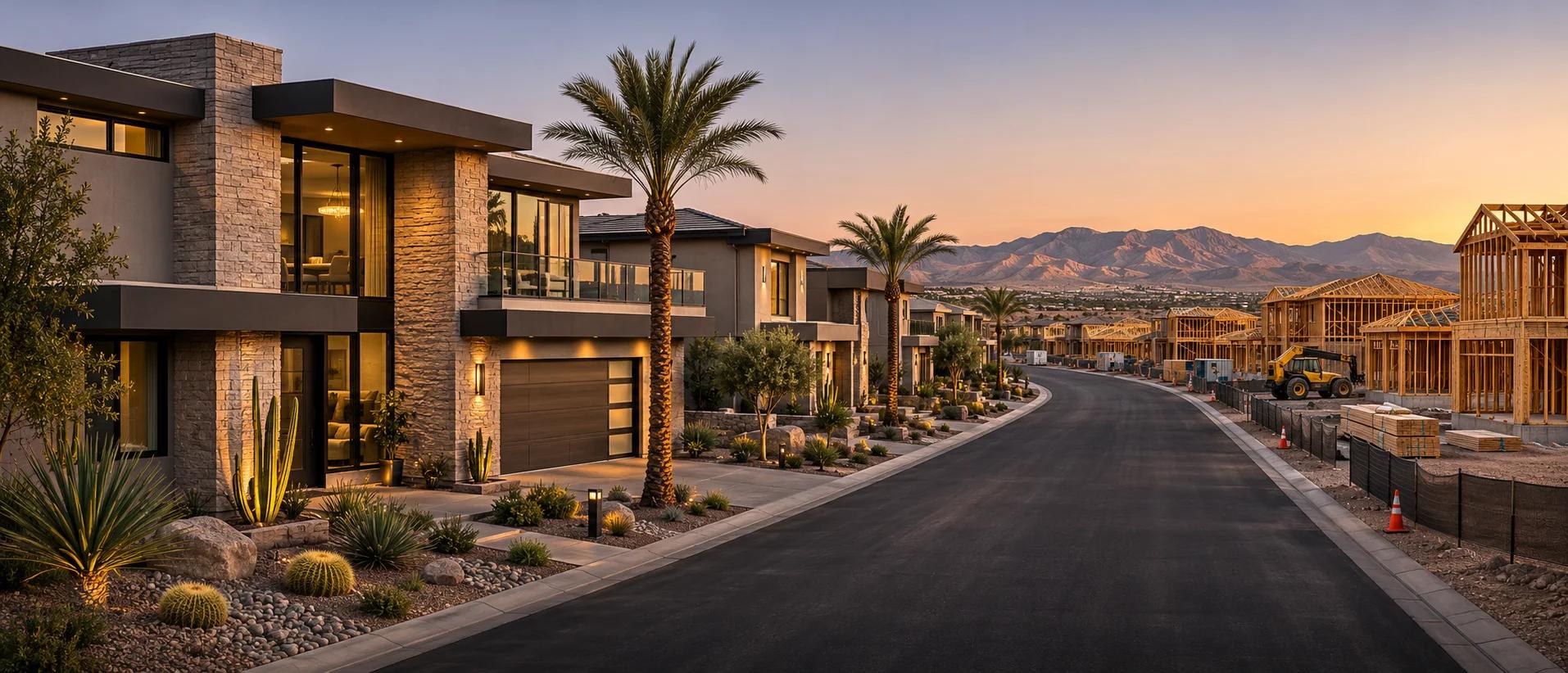
Your first home. A larger home. Less to maintain. A place to escape. An investment. Or a new build from the ground up. No two purchases begin in the same place — we start by understanding your goals, then map a considered path from preparation to ownership.
Choose what best describes your purchase. We'll show you what matters most, how we'd approach it together, and the next step worth taking.
Different goals. One carefully considered process.
Showing guidance for My First Home.
01 / 07
First-Time Homebuyer
Your First Home Should Start With Clarity.
Before touring properties, we'll help you understand the buying process, clarify a realistic budget, and build a step-by-step strategy around your priorities and timeline. Your first purchase should be informed, not rushed.
The total monthly cost of owning — principal, interest, taxes, insurance, HOA, mortgage insurance where it applies, and upkeep.
Preapproval with a qualified lender, and the cash you'll actually need to close — not just the advertised down payment.
How neighborhood, condition and resale flexibility trade off against one another.
What inspections, appraisal and contingencies protect, and when their deadlines fall.
Worth knowing
Prequalification is an estimate; preapproval means a lender has reviewed your documentation. Down-payment programs exist, but eligibility varies by lender and program — we'll point you to lenders who can confirm what applies to you.
Whether your next move means upgrading to meet changing needs or downsizing to simplify, the right strategy begins with your current home. We help you weigh equity, timing, financing and the move itself before deciding what comes next.
Define what you want more of — or less of — in the next home: space, upkeep, cost, location, convenience.
Understand your equity, likely sale proceeds and financing before the search, not after.
Build a coordinated purchase-and-sale plan if both transactions are involved: buy first, sell first, or concurrent escrows.
Sequencing
Buying before selling, selling before buying, and contingent or concurrent escrows each carry different costs and risks. Bridge or other short-term financing is a question for your lender — it isn't available to everyone.
A second residence should suit both how you want to live and how you expect to own it. We examine location, operations, maintenance, costs and future flexibility alongside the experience you want from the home.
How often you'll be there, and how lock-and-leave the property needs to be.
High-rise and condominium living versus a detached home — HOA rules, reserves, insurance and management.
Second-home financing is not the same as investment-property financing; lenders apply their own occupancy rules.
Long-term flexibility and how the property may resell.
Rentals are not assumed
Short-term rental use is not automatically permitted. Zoning, HOA rules and local licensing vary by property — we verify them before you rely on rental income or plan around it.
A residential investment should be evaluated on its own operating assumptions, financing, maintenance requirements and long-term plan. We structure the search around property fundamentals and a realistic view of ownership costs and risks.
Market rent evidence, tenant demand and a realistic vacancy allowance.
Gross rent versus cash flow after taxes, insurance, HOA, repairs, management and reserves.
HOA rental restrictions, local rules and property-management requirements.
Financing and leverage sensitivity, liquidity and your eventual exit.
Our role
We bring property-level evidence — rents, condition, restrictions and comparable sales. Tax, lending and investment advice belong with your CPA, lender and financial advisor, and nothing here predicts returns.
In some eligible homes, the owner's existing mortgage can be part of the opportunity. A qualified buyer may be able to assume that loan and keep its rate and remaining repayment schedule, subject to approval, cash requirements and program conditions. We help separate the headline rate from the actual economics.
Verify the loan itself: balance, rate, remaining term, payment schedule, assumability and servicer approval.
Price minus the remaining balance is an equity gap, paid in cash or with permitted secondary financing — plus closing costs.
The original-rate payment covers principal and interest only; taxes, insurance, HOA, mortgage insurance and any second loan come on top.
FHA, VA and USDA assumptions each have their own credit, occupancy, fee and approval rules.
VA loans
A VA loan may in some cases be assumed by a qualified buyer who is not a veteran. Whether the seller's VA entitlement is restored depends on an eligible veteran buyer substituting their own — and release of the seller from liability is a separate approval. Confirm both with the servicer.
Buying from a builder introduces choices long before closing: lot position, construction stage, release timing, design selections, deposits, incentives, financing terms, warranties and the builder's own contract. We help you evaluate the whole proposition before you sign.
Compare communities, lots, delivery stages, incentives and long-term resale context.
Read builder documents with the appropriate professionals — deposits, deadlines, specifications, options and warranty procedures.
Coordinate lender, builder, independent inspections and closing milestones without assuming completion dates or concessions.
Before your first visit
Many builders ask buyers to register their agent on the first visit to the sales center. Each builder sets its own policy, so it's worth talking with us before you walk in.
A custom home begins with decisions about land, design, site work, construction financing and the professionals who will bring it to life. Before selecting finishes, we help you organize location, feasibility, acquisition terms and realistic planning steps.
Land search, access, utilities, lot suitability and zoning review with qualified specialists.
Design team and builder qualifications, construction budget, contingencies, allowances and change orders.
Construction financing, draw schedules, milestones, construction risk and final occupancy requirements.
Who does what
We coordinate the land acquisition and the transaction. Design, engineering, construction, permitting and lending are performed by the licensed architects, contractors, engineers and lenders you engage — we don't supervise construction or guarantee workmanship.
The details change with the property and your goals. The foundation stays the same: establish a plan, understand your financing, evaluate the right homes, negotiate wisely, and manage the transaction through closing.
01Plan
Consultation & Plan
Goals, budget considerations, priorities, timing and the best path forward.
02Financing
Financing & Preparation
Preapproval, proof of funds or a financing plan — and a clear view of all-in cost and cash-to-close.
03Search
Define & Activate the Search
A search profile and alerts; neighborhoods, builders and opportunities evaluated.
04Tour
Tour & Evaluate
Homes toured and weighed on comparables, condition, restrictions and tradeoffs.
05Offer
Offer & Negotiate
Price and terms, contingencies, disclosures and strategy, negotiated on your behalf.
06Escrow
Escrow & Due Diligence
Inspections, financing, appraisal, title, HOA documents and every deadline coordinated.
07Closing
Closing & Next Steps
Signing, recording, keys — and the handoffs that follow.
Your path · My First Home
For a first purchase, the early stages carry the most weight: budget, preapproval and cash-to-close are settled before the search begins.
Timing varies by property and financing. New construction and custom builds follow their own milestones within these stages.
An Often-Overlooked Path to Ownership
Real Estate's Best-Kept Secret?The mortgage that comes with the home.
While many buyers wait for rates to move, some existing homes carry something worth examining now: an eligible mortgage originated when rates were considerably lower. With the right property, qualification and transaction structure, assuming that loan can reshape the principal-and-interest payment — and the ownership plan built around it. We help you investigate the opportunity rather than take the advertised rate at face value.
Rate. Remaining term. Principal reduction. Equity gap. The full picture, not just the headline.
Certain eligible existing mortgages carry rates set years ago — well below rates on many newly originated loans. We can help you identify what to verify before pursuing one.
On the same $400,000 loan, the scheduled payment at 2.50% is $1,081 a month lower than at 7.00% — and from the very first payment, more of it reduces the balance.
At year 5 — after 60 scheduled payments
Measure
7.00%
2.50%
Monthly P&I
$2,661
$1,580
Principal repaid
$23,474
$47,698
Interest paid
$136,199
$47,131
Balance remaining
$376,526
$352,302
Payment 61 · principal
$465
$847
Payment 61 · interest
$2,196
$734
Illustrative $400,000 loans · 30-year original amortization · principal and interest only. Rates are hypothetical comparison inputs, not current market rates or an offer of credit.
+How this is calculated
Both columns are the same original loan — $400,000 over 360 months — at two rates, calculated from the standard fixed-rate amortization formula with no prepayments or modifications. Excludes property taxes, insurance, HOA dues, mortgage insurance, lender fees, closing costs and any other liens. The 2.50% loan after five years is not the same $400,000 a buyer would assume today; see the seasoned example.
A lower principal-and-interest payment
Taking over an approved fixed-rate loan can preserve an older rate and a lower payment on the assumed balance than new borrowing at a higher rate. Taxes, insurance, HOA, mortgage insurance, fees and any equity-gap financing are separate.
Seasoned amortization
A loan five years into a 30-year schedule has about 25 years left, and a larger share of each payment now goes to principal. That isn't free equity: the balance is lower, and you pay the seller for the equity already built.
Equity over time
Each scheduled payment reduces what you owe. Market value may also rise — or fall. The two are independent, and additional liens or transaction costs can offset either.
Future flexibility
If your circumstances later change, a low first-lien payment can make keeping the home as a rental worth evaluating — once loan, occupancy, HOA, insurance and local rules allow it. Cash flow is never assured.
Building the Future
Two Ways to Build the Future. Two Different Strategies.
A builder's community and a home built from the ground up ask different questions, of different professionals, on different timelines.
New Construction · Builder Community
The right questions come before the design center.
Neighborhoods, lot positions, release schedules, construction stages, incentives and carrying costs, compared side by side.
Builder-prepared contracts, deposits, option packages, delivery milestones, warranties and possible appraisal gaps — with independent inspections.
Early representation matters: many builders require agent registration at your first visit, under their own policies.
Entrusted With Development. Experienced Beyond It.
The Martinez Group is entrusted with large-scale developments — listing them for sale and representing the buyers who purchase in them. That hands-on work, from construction to contracts and everything in between, joined with years of experience well beyond any single project, is why buyers trust us with new construction and custom homes.
From the established neighborhoods of Henderson and Summerlin to Las Vegas high-rise living and new communities across Southern Nevada, location shapes lifestyle, ownership costs and future flexibility. Explore the guide we've built to help you compare communities with clarity.
Experience Is Measured in the Decisions Behind the Deal.
In residential real estate, preparation can matter as much as opportunity. Experience in complex financing, disciplined negotiation and new development shapes a more considered path from the first conversation to closing.
Regional press has chronicled Matthew’s leadership of Midtown Las Vegas sales. His record has earned industry accolades and the November 2026 cover of Real Producers Las Vegas — recognition of a career defined by exceeding expectations and continually raising the standard for the clients he represents.
Start With a Conversation. Leave With a Clearer Direction.
Whether you're buying your first home, upgrading or downsizing, considering a second residence, evaluating rental potential, pursuing an assumable mortgage, exploring a new community or building from the ground up, we begin with your goals and the decisions ahead.